why build regeneratively
For a long time, regenerative architecture might have referred to the large-scale regeneration of urban commercial centres. But this regeneration simply gentrified large areas of our towns and cities making them uninhabitable to both the existing local community and wider biodiversity.
Over the last few years, a new form of regeneration is gaining traction within the architectural sphere. It looks at replenishing depleted environments on all levels from human communities to the flora and fauna which are so heavily impacted by the past ‘improvements’ made in the name of commercial and economic ‘progression’.
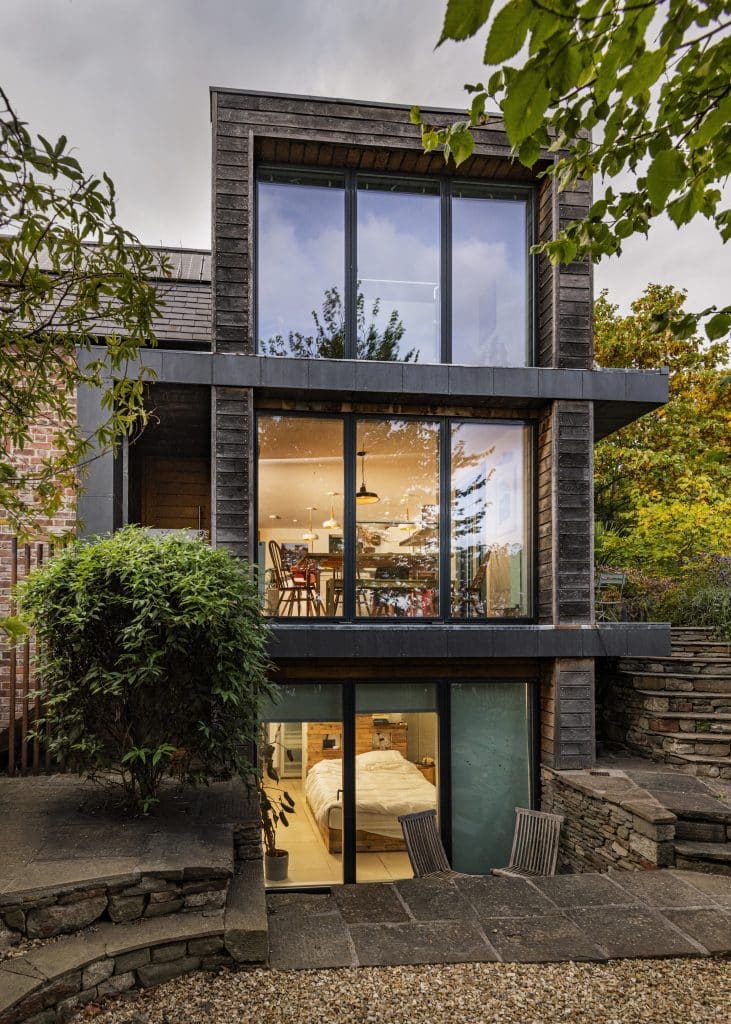
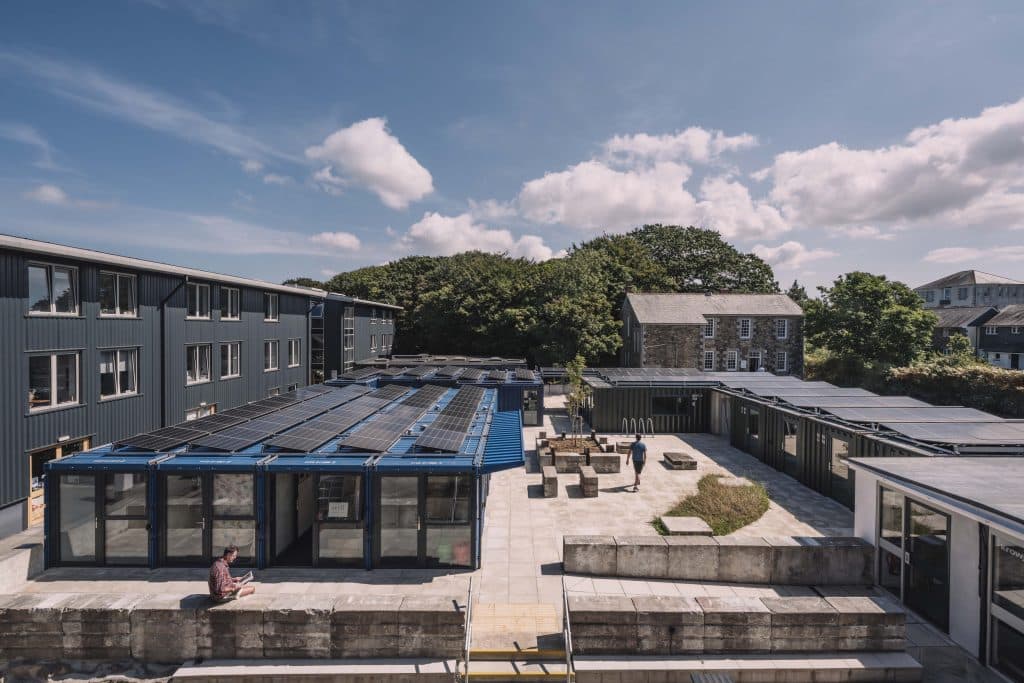
What’s the difference between regeneration and regenerative architecture?
In terms of human or societal sustainability, Urban Regeneration has finally been found out as the gentrification it really was.
Knocking down and throwing away millions of tons of embodied carbon to build the newer and shinier department store or high-end retailer. Cities and towns climbed over each other to show how willing they were to wipe away their old identities and blend with the new international rich.
Perversely those that failed to persuade developers or chose not to seek the ‘progression’ have come out looking better and being more habitable than their future seeking neighbours.
Each gentrified area simply pushed its local community who had built the foundations of their own demise, out of the area. With them the culture and identity left, leaving behind a homogenised international aesthetic of chains the same as the next town but a few years newer thus perpetuating the process.
Regenerative architecture is different, it looks at each site as part of a wider urban tapestry. It seeks to embrace its location, connect with its community and hopefully bring benefit to those people who already live their lives on its streets alongside supporting others who wish to join that community.
Community building is one thing, but what about ecological regeneration?
While designing buildings to target zero carbon, we immediately make a great start to making them regenerative. First you have to minimise the negative effects of building to maximise the benefits!
Planting to offset carbon emission is very easy to specify. To maximise the wider ecological benefits, you have to stop just designing to minimise risks to users or the cost of future management and set targets for fruiting and flowering bushes and trees.
Allow space for mess – not deliberate mess but areas where management is not needed, these are the spaces where nature excels at exploding and making them its own.
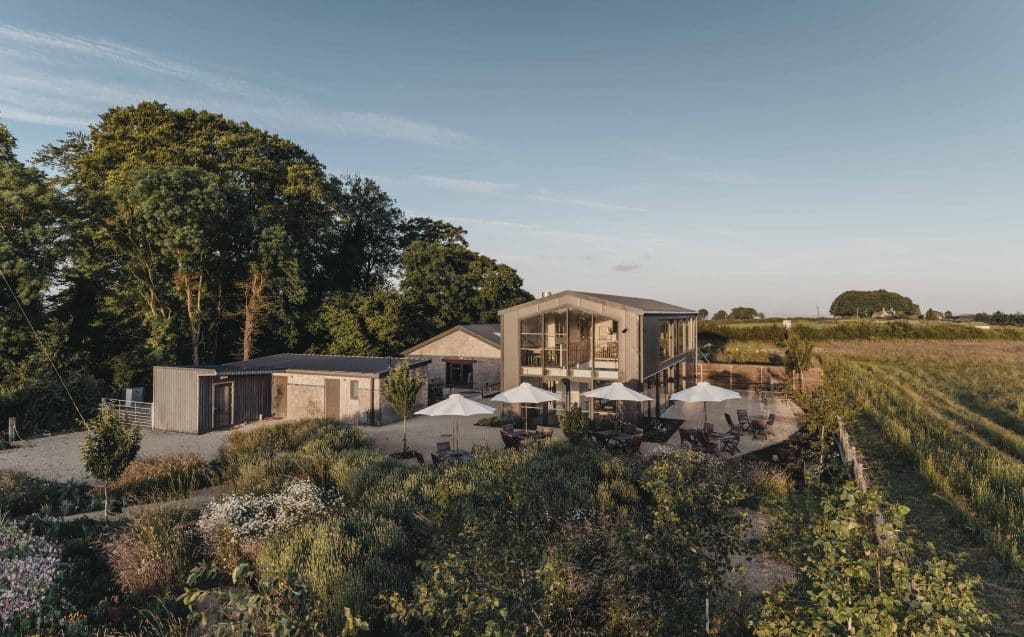
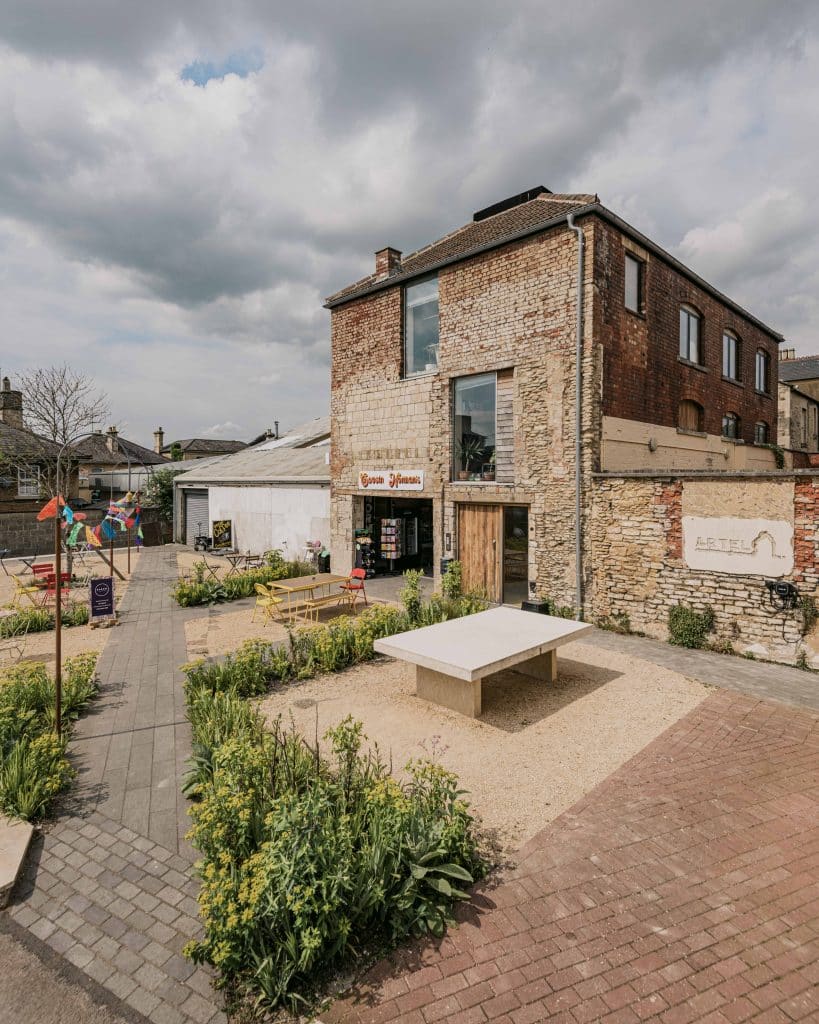
Public realm improvements – getting people out of their cars and meeting each other.
Connectivity between the spaces is fundamental for non-motor vehicular movements of both human and animal life.
On a societal or human basis there are a vast array of benefits to peoples’ physical and mental health along with community support and engagement that supports multi-generational living.
ready to start? let’s talk
Artel31 love to hear about your plan. The best ideas start with a conversation.
Email us at office@artel31.co.uk or call us on 01249 445656.
Frequently Asked Questions
We design, plan, and build. From architectural design and planning to technical detailing and full construction, we manage every stage of your project.
We think about energy use, materials, and long-term impact from day one. The aim is to create spaces that are low-impact, comfortable, and built to last.
It means design and construction are managed together. The result is a building that looks and works exactly as envisioned, with no compromises between the design and the build.
We care about sustainability in every project. This means retaining existing fabric where possible, improving energy performance through careful design, and choosing materials and systems that are appropriate for the building’s character and long-term performance.
Artel31 are part of RIBA’s 2030 Climate Challenge, Architect’s Declare and The Green Register.
We are strong believers of use less don’t do less. We make every effort to re-use materials during the build process, whether it’s bi-product of another process, or an item that still has life left in it.
When you choose Artel31 you’re choosing an architect that cares about tomorrow’s future. Read more about our sustainability values.